
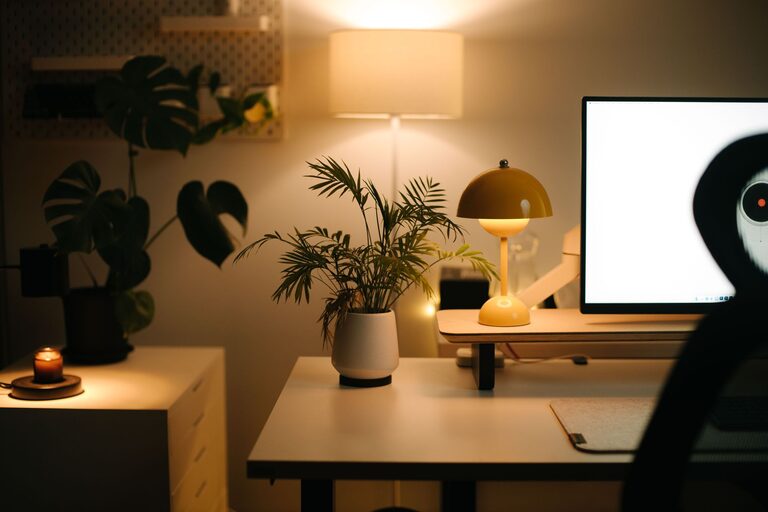
Creating a home office that is both comfortable and productive is important, especially as more people embrace remote work or flexible schedules. A well-designed workspace can improve focus, reduce stress, and help maintain a healthy work-life balance. Whether you have a dedicated room or just a small corner, these tips will guide you in setting up an inviting and efficient home office.
Choose the Right Location
Selecting the best spot for your office within your home is the first step. Ideally, pick a quiet area with minimal distractions. If possible, avoid spaces like the kitchen or living room where activity tends to be higher. Consider these factors:
– Natural Light: A spot near a window can improve mood and reduce eye strain.
– Privacy: Choose a place where you can close the door or limit interruptions.
– Space: Allow enough room for your desk, chair, and any equipment you need.
Invest in Ergonomic Furniture
Comfort is key to sustaining productivity through long workdays. Ergonomic furniture supports your posture and helps prevent discomfort or injury.
– Chair: Look for an adjustable chair with lumbar support and comfortable cushioning.
– Desk: Choose a desk at the right height so your arms can rest comfortably at a 90-degree angle.
– Monitor Setup: Position your computer monitor at eye level and about an arm’s length away to reduce neck strain.
Organize Your Workspace
A clutter-free environment fosters focus and reduces stress. Here are some organizational tips:
– Storage Solutions: Use shelves, filing cabinets, or baskets to keep items tidy.
– Desk Accessories: Trays, pen holders, and cable organizers help maintain order.
– Digital Declutter: Organize files on your computer with folders and regularly delete unnecessary items.
Optimize Lighting
Good lighting supports productivity and reduces fatigue:
– Natural Light: Take advantage of daylight whenever possible.
– Task Lighting: Use desk lamps with adjustable brightness for focused work.
– Avoid Glare: Position your monitor to prevent glare from windows or lights.
Personalize Your Space
Make your home office a place where you want to spend time by adding personal touches:
– Plants: Indoor plants can boost mood and air quality.
– Artwork or Photos: Visual elements can inspire and make the space inviting.
– Comfort Items: A cozy rug, cushions, or a throw blanket add warmth.
Minimize Distractions
Maintaining concentration is easier in an environment designed to limit interruptions.
– Noise Control: Consider noise-canceling headphones, white noise machines, or soundproofing if needed.
– Set Boundaries: Communicate your working hours to family or housemates.
– Limit Electronics: Turn off unnecessary notifications on your phone or computer.
Maintain a Healthy Routine
Your workspace can support healthy habits:
– Break Area: If space allows, have a small zone for stretching or short breaks.
– Movement: Stand up and stretch regularly, or consider a sit-stand desk.
– Hydration and Snacks: Keep a water bottle and healthy snacks nearby.
Use Technology Wisely
Having the right tools can enhance efficiency:
– Reliable Internet: Ensure your connection is stable and fast.
– Printer/Scanner: If needed, keep these devices handy but organized.
– Software: Use productivity apps and calendars to stay on track.
Regularly Refresh Your Space
Keep your home office inspiring by periodically updating it:
– Rearrange furniture for a fresh perspective.
– Replace or repair worn-out items.
– Add seasonal decorations or new plants.
—
Setting up a comfortable and productive home office doesn’t have to be overwhelming. By focusing on location, ergonomics, organization, lighting, and personal touches, you can create a workspace that helps you do your best work every day. Remember, small changes can make a big difference!